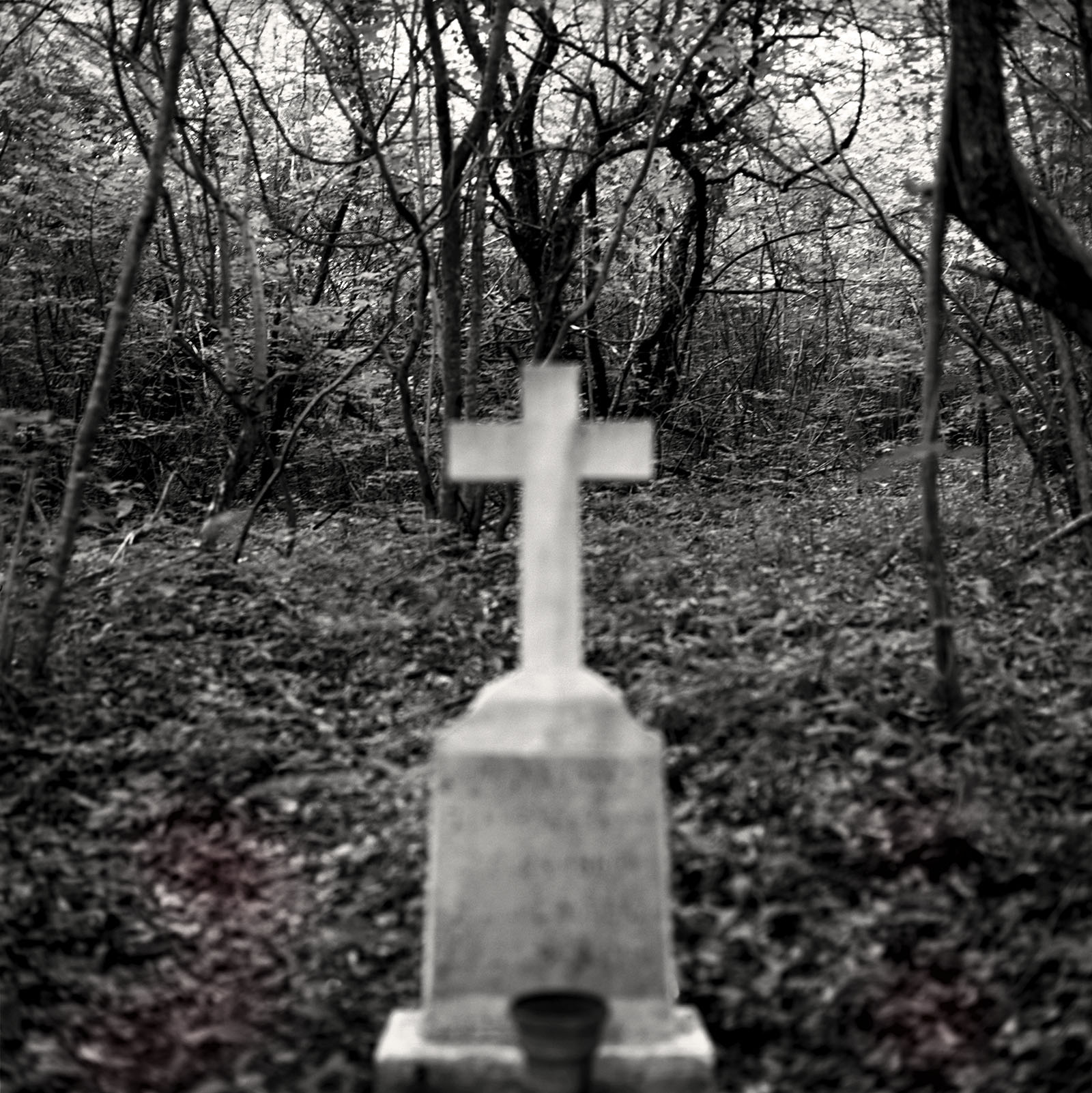
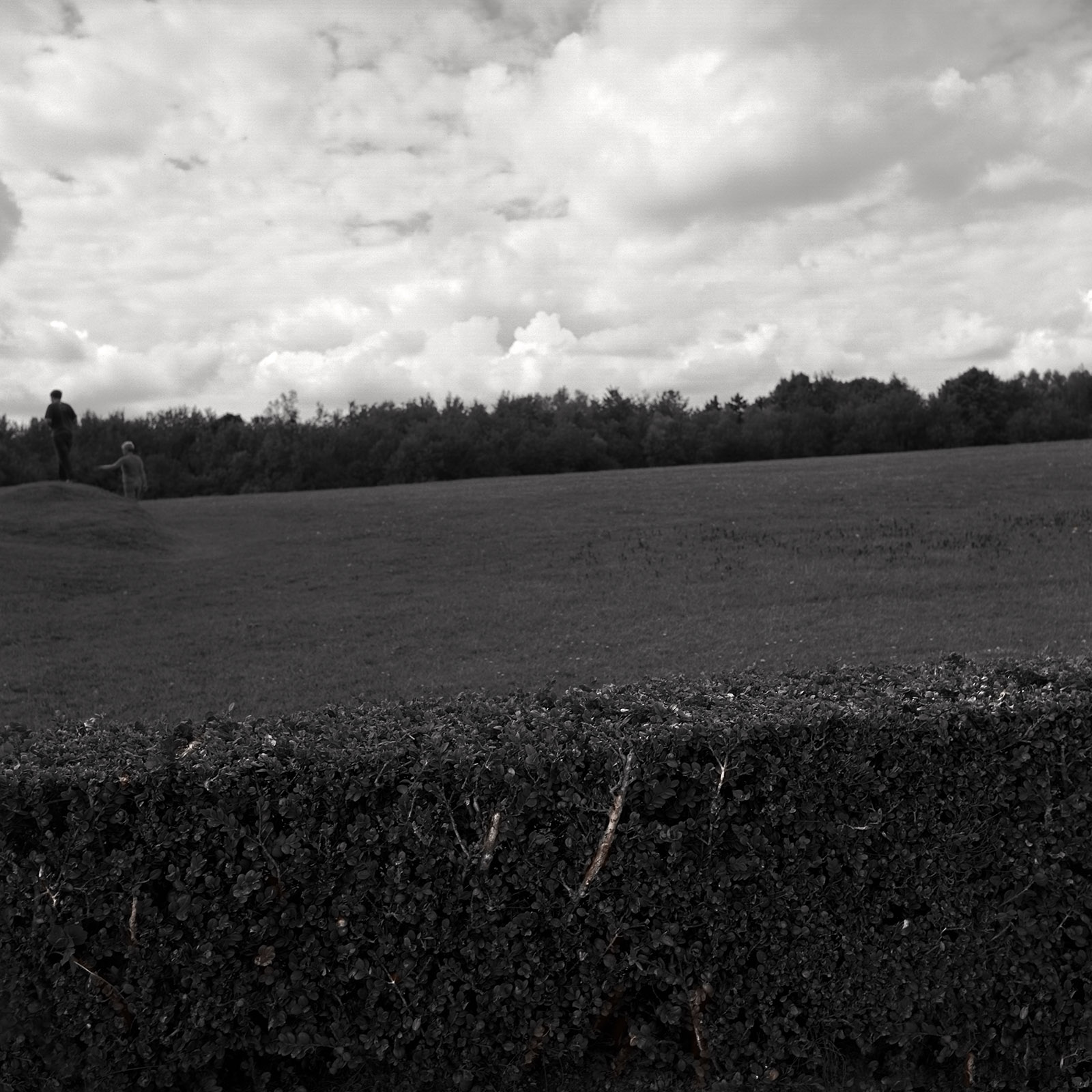
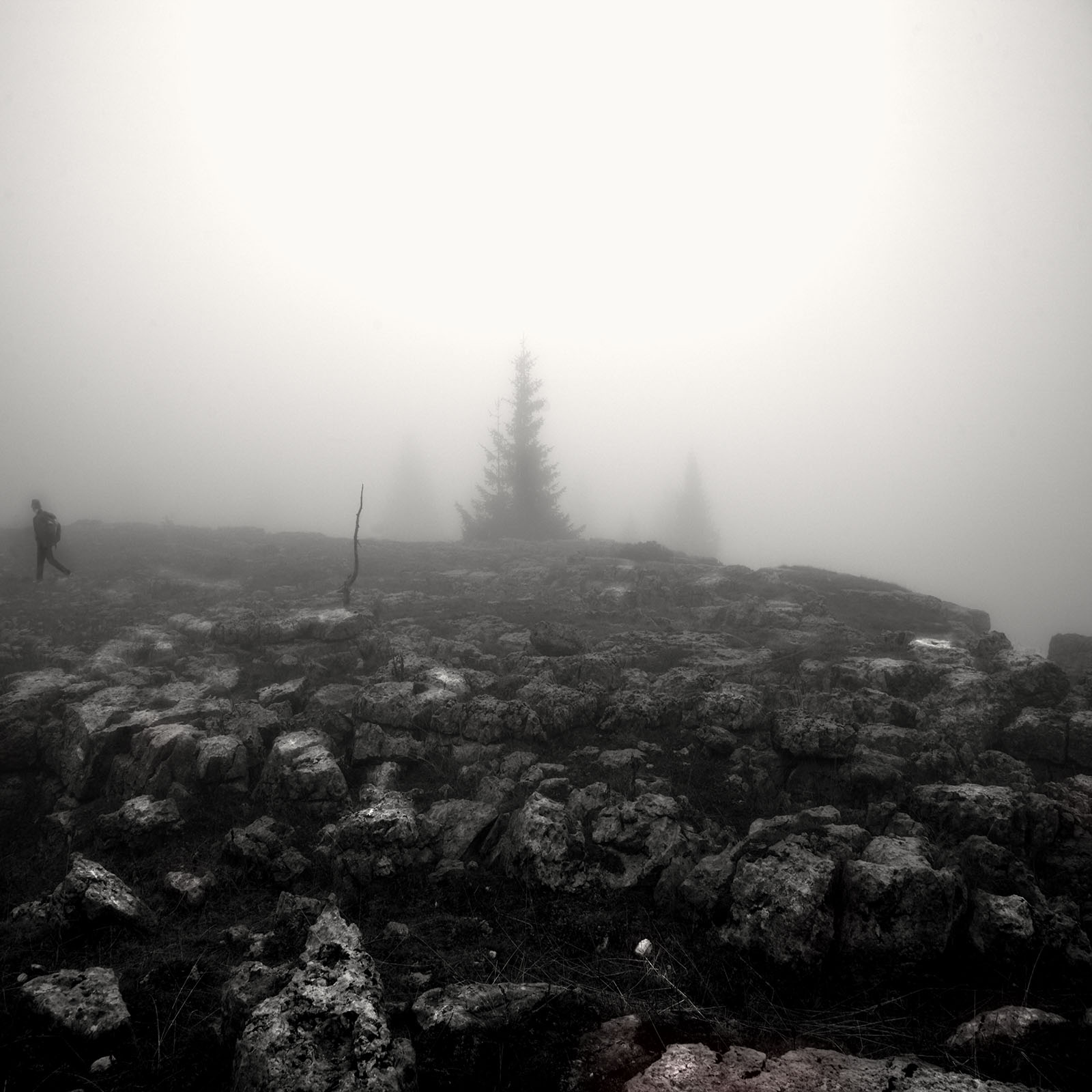
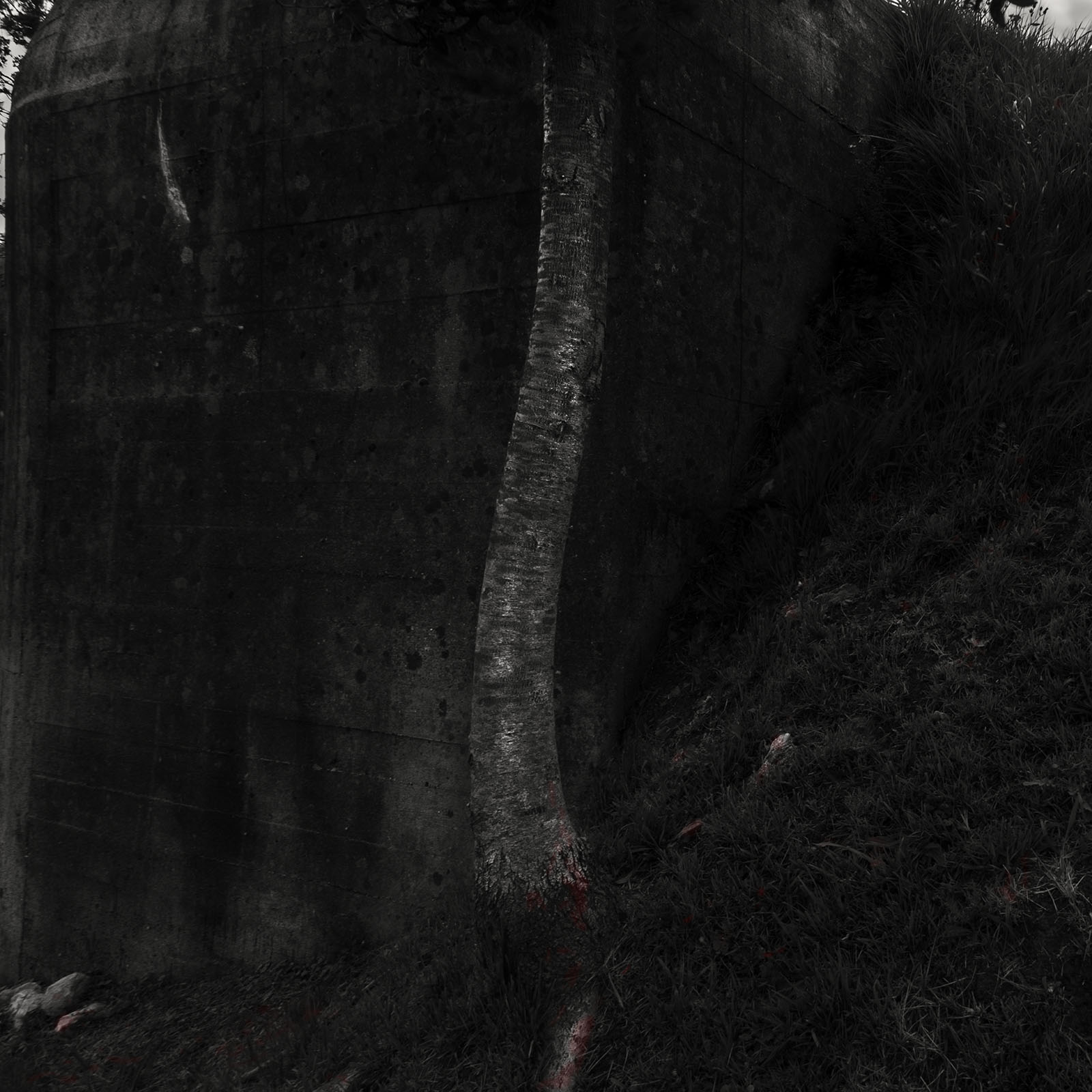
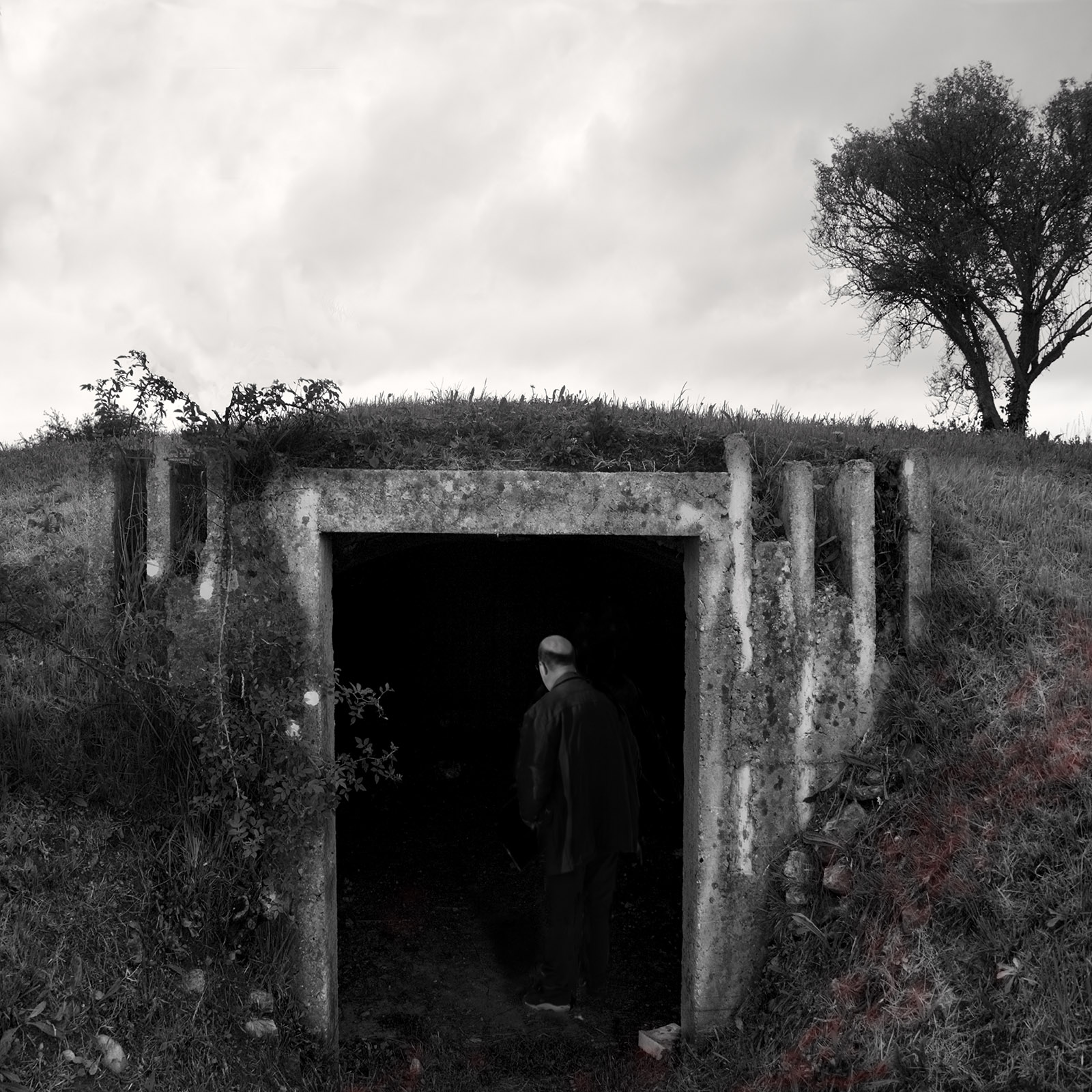
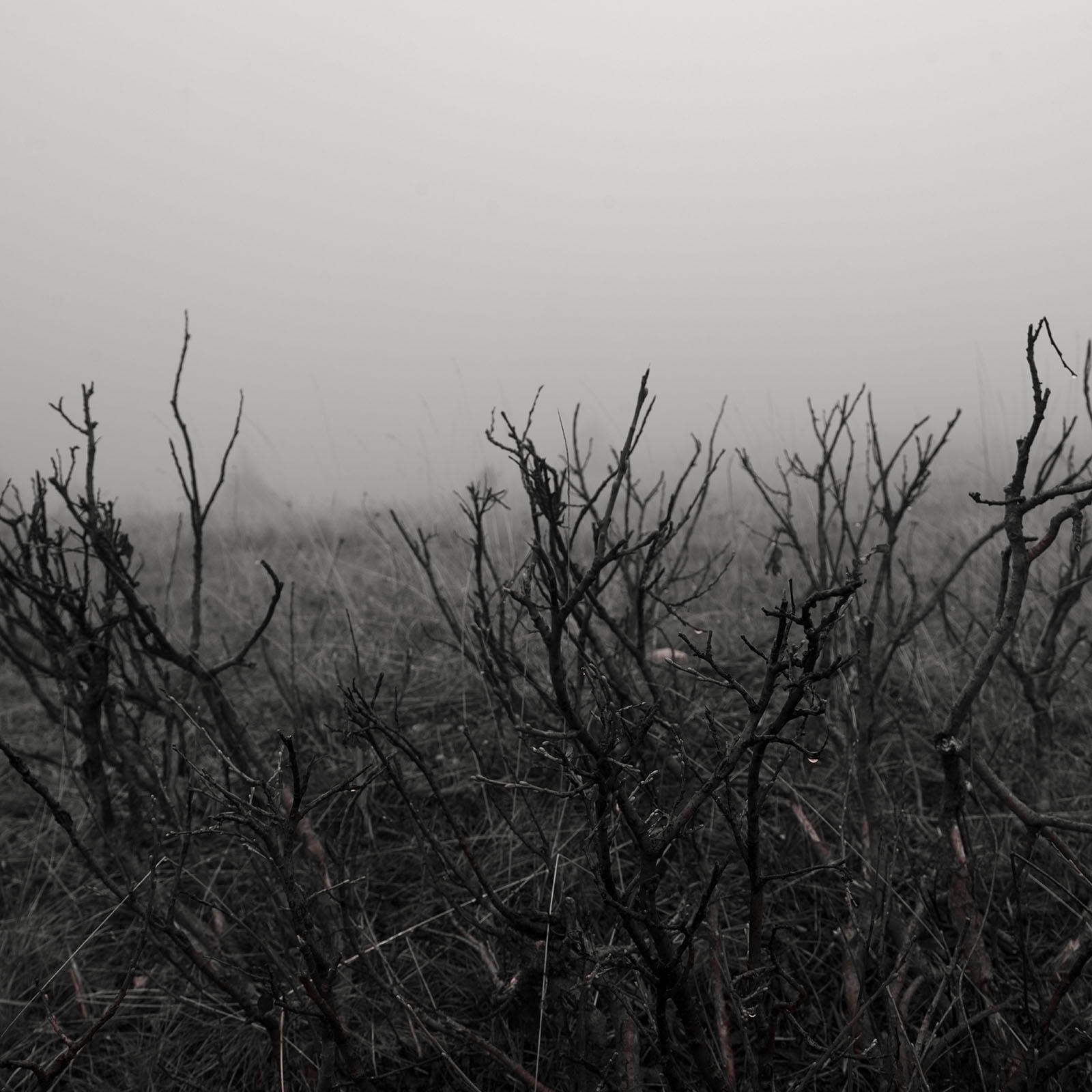
At first glance, these landscapes appear to share something in common: they are places that seem to wish to forget their own history, the events of which they were once the stage. In sites of war, even years later, one can still sense a disquieting presence of death. Here, human figures withdraw from the scene. Such places demand a particular form of respect.
Here, too, a sense of the sacred emerges. Nothing religious is implied. Rather, it is that feeling of the sacred we sometimes experience when confronted with the immensity of nature, with the totality of what lies before us. Humanity becomes small and, unwillingly, part of a whole that it too often presumes to destroy. In places that have hosted battles and wars, the natural balance is no longer perceptible: it is as if nature itself had lost control. The artist confronts what he sees with a specific attitude, seeking to arrive at the purity of abstraction.
Faced with the bloodiest battle in history, Verdun—Operation Gericht during the Great War—the image becomes that of a tomb. It is the end of everything. Humanity takes its leave. “Quelle connerie la guerre,” said the poet. It is this absence of logic that the Dada movement underscored in its work.
— Angela Madesani
A uno sguardo profondo questi paesaggi hanno qualcosa in comune: sono luoghi che vogliono dimenticare la propria storia, i fatti dei quali sono stati teatro. Nei luoghi di guerra si respira anche ad anni di distanza una spiazzante sensazione di morte. Qui le figure escono di scena. Quei luoghi esigono un particolare rispetto.
Anche qui emerge la sacralità. Nulla di religioso. Si tratta piuttosto di quel senso del sacro che talvolta riusciamo ad avvertire di fronte all’immensità della natura, alla totalità di quanto ci troviamo di fronte. L’uomo si fa piccolo e diviene, suo malgrado, parte di un tutto che troppo spesso si permette di distruggere. Nei luoghi che hanno ospitato le battaglie, le guerre, non si percepisce l’equilibrio proprio della natura: è come se le fosse uscito di mano il controllo. L’autore si pone di fronte a quanto vede con un particolare atteggiamento, il tentativo è quello di giungere alla purezza dell’astrazione.
Di fronte alla più sanguinosa battaglia della storia, quella di Verdun, l’operazione Gericht, durante la Grande Guerra, è l’immagine di una tomba. È la fine di tutto. L’uomo prende congedo. «Quelle connerie la guerre», diceva il poeta. È la mancanza di logica, che i dada hanno sottolineato nei loro lavori.
Angela Madesani

2018 presentation La morte della volpe, by Luca Bragaja, photographs by Paolo Parma, Pagina Dodici, Verona, Italy
2012 Silenzi, Galleria Die Mauer, curator A.Madesani, Prato, Italy
EDITIONS of 3+ 2 ap
Giclèe prints on cotton paper all made by the author